
"coffee washing stations"
1000 article(s) found

What is ECX? Boji Washing Plant Introduction Ethiopian native coffee flavor
Professional coffee knowledge exchange More coffee bean information Please pay attention to coffee workshop (Weixin Official Accounts cafe_style) Ethiopia is not only the birthplace of coffee, but also provides incredible diversity of flavor characteristics in its micro-region. Coffee from the Kochere region has a rich fruity tea flavor, accompanied by typical citrus and stone fruit. Combine it with natural processing

Introduction to the story of the origin of Kopakama, a coffee cooperative in Rwanda. Is coffee in Rwanda expensive?
Professional coffee knowledge exchange more coffee bean information please follow Coffee Workshop (Wechat official account cafe_style) KOPAKAMA CWS KOPAKAMA is an agricultural coffee cooperative in Mabanza (former western Rwanda country). The country has been rezoned as a region, but the name still exists. Kopakama, which was founded in 1998 with only 48 members, has been committed to

A brief introduction to the cultivation of boutique coffee beans in Chimeier Manor with a long aftertaste, geographical location, climate and altitude
Rwanda's economy is dominated by agriculture. The population engaged in agriculture and animal husbandry accounts for 92% of the country's population. The main cash crops are coffee, tea and cotton. Because it is an agricultural and animal husbandry country, coupled with the loss of many young workers caused by the genocide in 1994, it is a huge blow to a country that is not already rich, and Rwanda is still a backward country. Luwang after the Civil War

Rwandan coffee varieties with rich flavors. Fine coffee beans. Flavor description.
In 1999, 220 coffee growers formed a union in the Malaba area (formerly part of Butare province) to combat the disease. Many of its members are farmers separated from their loved ones by the 1994 massacre, and some have husbands jailed or brought before traditional gacaca courts to face trial on charges of involvement in the massacre. They named it Abbawuza.

Introduction to the flavor description of the long aftertaste of Rwandan coffee beans produced by regional treatment
The taste of Rwandan coffee is described as a grassy aroma with tropical climates. in addition to the sweetness of fruit, this coffee also gives people a feeling of freshness, clarity, and freshness. Bourbon coffee grown in Rwanda is amazing for its sweet fruit, full-bodied, unrestrained and lingering aftertaste. This kind of coffee is delicious

What is the flavor of bourbon varieties of Mayogi cooperative in Gicumbi coffee producing area of Rwanda? Mayogi cooperation
Professional coffee knowledge exchange more coffee bean information please follow the coffee workshop (Wechat official account cafe_style) Rwanda Gicumbi coffee producing area Mayogi cooperative bourbon variety flavor? Introduction to the story of Mayogi cooperative? The Mayogi cooperative is made up of a group of 108 farmers. Due to lack of understanding of coffee processing, cooperatives rented processing units to private owners. 2012

Boutique coffee Rwanda coffee origin Rwanda coffee practice
Rwandans have been growing coffee since colonial times, but until 1999, its products were still classified as below Class C and were not popular in the global market. The reason for the poor quality is that farmers do not have a fixed procedure for washing coffee beans and do not process coffee fruits according to specifications in time. Buyers buy coffee beans at $0.33 per kilogram, and farmers keep warm by the meagre profits earned at low prices.
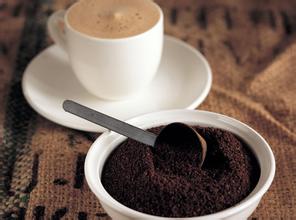
Fine coffee Rwanda Coffee characteristics introduction to Rwanda Coffee
Rwandans have been growing coffee since colonial times, but until 1999, its products were still classified as below Class C and were not popular in the global market. The reason for the poor quality is that farmers do not have a fixed procedure for washing coffee beans and do not process coffee fruits according to specifications in time. Buyers buy coffee beans at $0.33 per kilogram, and farmers keep warm by the meagre profits earned at low prices.

Characteristic Story of Coffee beans of Carza Karzan in Burundian Coffee producing area
Professional coffee knowledge exchange more coffee bean information please follow the coffee workshop (Wechat official account cafe_style) Burundi Burundi is a small country in the interior of East Africa, the average height is 1600m ups and downs, planting coffee beans are small-scale farming type, due to the limitations of the water source area, the origin of coffee beans will be picked and concentrated in the local washing station CWS (Coffee Wash S)

Boutique coffee roasting Red bourbon of Musasha Cooperative, Rwanda
[product name]: red bourbon [production area]: Rushashi [variety]: red bourbon [treatment]: traditional washing [producer]: many friends of the Musasha Cooperative know that it is located in the Rushashi producing area in the north of Rwanda, and the Musasha Cooperative in the producing area is famous for its good results in cup test competitions in previous years, which is the most famous in this producing area.

Fine coffee Rwanda coffee manor Rwanda coffee producing area
Rwandans have been growing coffee since colonial times, but until 1999, its products were still classified as below Class C and were not popular in the global market. The reason for the poor quality is that farmers do not have a fixed procedure for washing coffee beans and do not process coffee fruits according to specifications in time. Buyers buy coffee beans at $0.33 per kilogram, and farmers keep warm by the meagre profits earned at low prices.
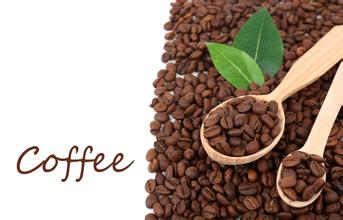
Boutique coffee Rwanda coffee flavor red apple, cherry, cinnamon, honey
Rwandans have been growing coffee since colonial times, but until 1999, its products were still classified as below Class C and were not popular in the global market. The reason for the poor quality is that farmers do not have a fixed procedure for washing coffee beans and do not process coffee fruits according to specifications in time. Buyers buy coffee beans at $0.33 per kilogram, and farmers keep warm by the meagre profits earned at low prices.

A brief introduction to the History and Culture of the Origin and Development of Fine Coffee beans in Kimmel Manor, Rwanda
Rwanda is like a friend with a distinct personality in life, at first contact will stay away because of the other person's too distinct personality, but after really getting to know each other, he will be attracted by his unique temperament. Rwanda is such a guy with great personality, with the improvement and improvement of Rwandan coffee in all aspects, its quality has also made a qualitative leap. In 2008, American boutique

Boutique coffee Rwanda coffee producing area in the western province of Lutexilo
Rwandans have been growing coffee since colonial times, but until 1999, its products were still classified as below Class C and were not popular in the global market. The reason for the poor quality is that farmers do not have a fixed procedure for washing coffee beans and do not process coffee fruits according to specifications in time. Buyers buy coffee beans at $0.33 per kilogram, and farmers keep warm by the meagre profits earned at low prices.
Boutique coffee Rwanda coffee origin Rwanda coffee practice
Rwandans have been growing coffee since colonial times, but until 1999, its products were still classified as below Class C and were not popular in the global market. The reason for the poor quality is that farmers do not have a fixed procedure for washing coffee beans and do not process coffee fruits according to specifications in time. Buyers buy coffee beans at $0.33 per kilogram, and farmers keep warm by the meagre profits earned at low prices.
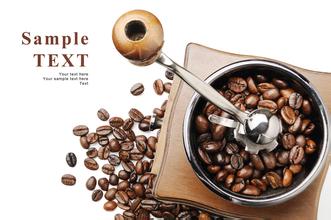
Fine coffee Rwanda coffee manor Rwanda coffee producing area
Rwandans have been growing coffee since colonial times, but until 1999, its products were still classified as below Class C and were not popular in the global market. The reason for the poor quality is that farmers do not have a fixed procedure for washing coffee beans and do not process coffee fruits according to specifications in time. Buyers buy coffee beans at $0.33 per kilogram, and farmers keep warm by the meagre profits earned at low prices.

Kenyan Jinchu Valley flavor, introduced by Kenya Jinchu Valley
Follow the caf é (Wechat official account vdailycom) found that the beautiful cafe opened a small shop of its own, Kenya from the Gichugu production area of Enbu processing plant (Embu Washing Station), using Kenyan-style double washing treatment, growing in 1550-1750 Manyata-Enbu County on the eastern slope of the Kenyan mountains, the variety is Kenya classic SL28,SL34, plus Kenya classic

Description of Burundian coffee flavor on GITWENGE farm in Burundi
For more information on coffee beans, please follow the Coffee Workshop (Wechat official account cafe_style) GITWENGE wins the Land Farm Story (GITWENGE 1302) the Gitwinger pulping station is one of 22 washing stations managed by SOGESTAL KAYANZA. It is located at an average elevation of 1400 meters. She has a wealth of professional coffee processing experience since 1990

Kenya from Jinchu Coffee introduction, Kenya from Jinchu Coffee Flavor description
Follow the caf é (Wechat official account vdailycom) found that the beautiful cafe opened a small shop of its own this Kenya from the Gichugu (Gichugu) production area of Enbu processing plant (Embu Washing Station), using Kenyan double washing treatment, growing in 1550-1750 Manyata-Enbu County on the eastern slopes of the Kenyan mountains, the variety is Kenya classic SL28,SL34, and then

Rwandan Coffee Taste Flavor Description Manor Area Treatment Variety Grinding Scale Introduction
Rwanda coffee taste flavor description estate production area treatment variety grinding scale introduction Rwanda coffee finished process is very exquisite. Every year during the harvest period, the ripe coffee cherries are collected and sent to the processing station for processing. Every year farmers harvest ripe coffee berries and bring them to a processing station where they are first hand-picked to ensure there are no immature or damaged berries